Follow Us:


Common Commercial Roofing Problems Caused by Long Island Weather
May 19, 2026
How Weather Impacts Commercial Roofing Systems
Long Island’s climate can be tough on commercial roofing systems. From harsh winter snow and ice to summer heat and coastal storms, your roof is constantly exposed to conditions that can lead to wear and damage over time. For business owners and property managers, understanding these common roofing issues is key to protecting your investment and avoiding costly disruptions.
At QB Roofing Solutions, we help businesses across Long Island stay ahead of roofing problems with proactive solutions. Here are the most common commercial roofing issues caused by weather, along with what you can do about them.
Ponding Water on Flat Roofs
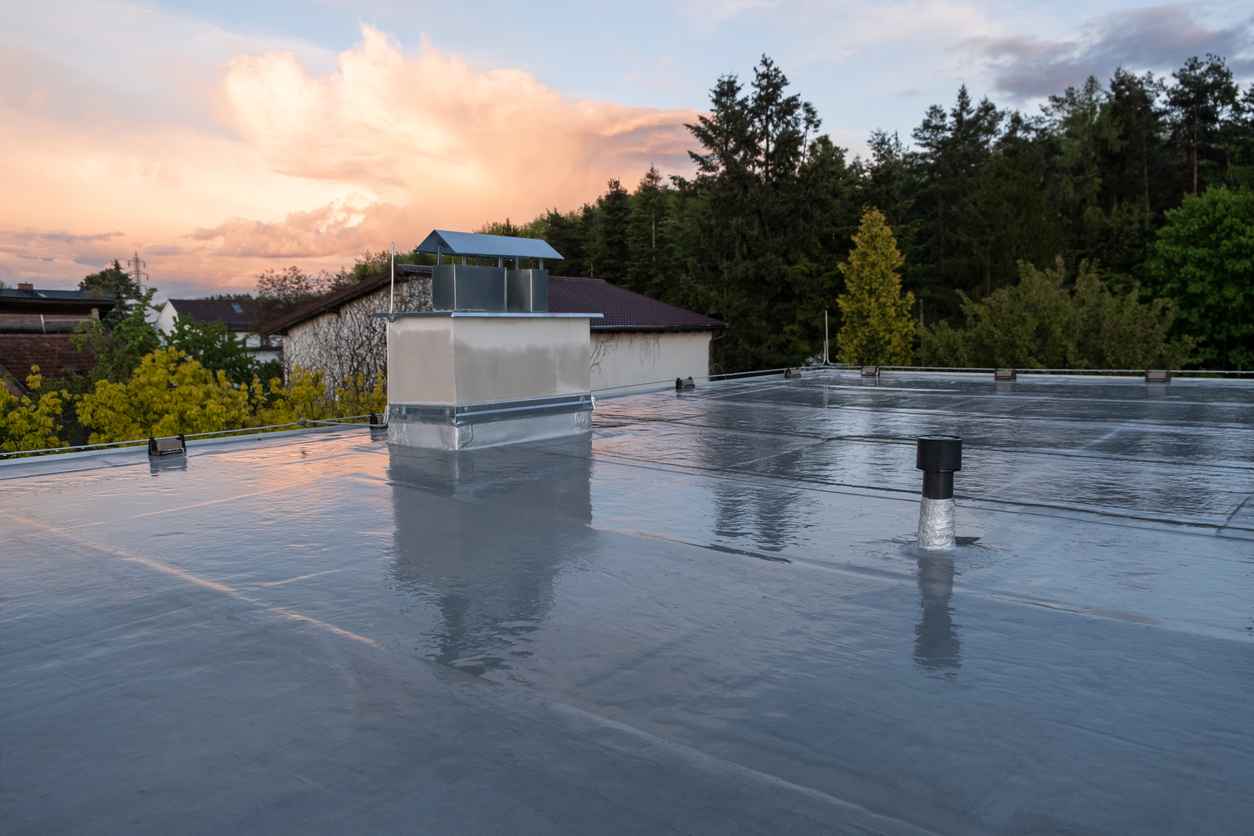
Many commercial buildings have flat or low-slope roofs, which are especially prone to ponding water after heavy rain. Poor drainage or clogged systems can cause water to sit on the roof for extended periods, leading to leaks, structural damage, and membrane deterioration.
Solution: Routine inspections and proper drainage maintenance help prevent standing water and extend roof life.
Ice Dams and Freeze-Thaw Damage
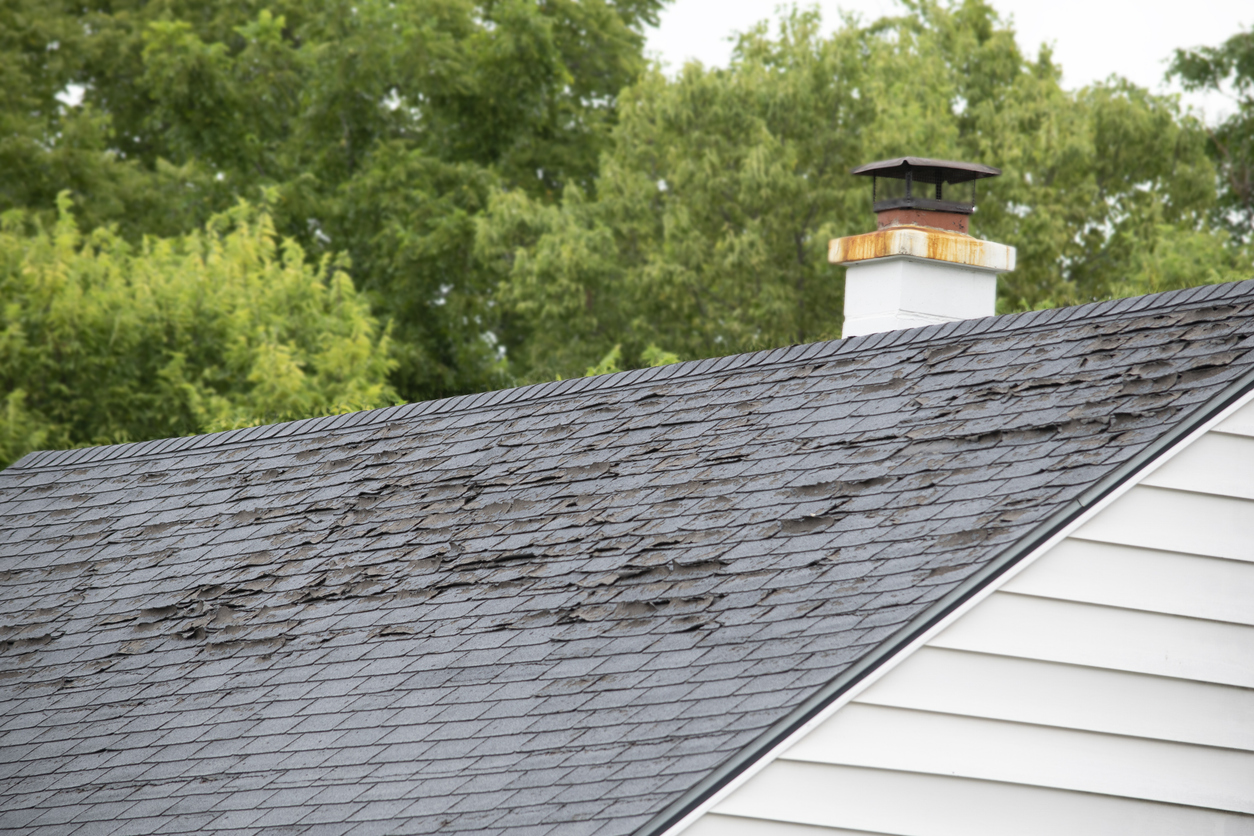
During winter, snow and ice can accumulate on commercial roofs. As temperatures fluctuate, melting and refreezing can create ice dams that trap water on the roof’s surface. This water can seep into cracks and expand, damaging roofing materials.
Solution: Proper insulation, ventilation, and timely snow removal reduce the risk of ice-related damage.
Wind Damage from Coastal Storms
Strong winds, especially during storms and hurricanes, can lift or loosen roofing materials, flashing, and seams. Even minor wind damage can create entry points for water if not addressed quickly.
Solution: Regular inspections after storms and securing vulnerable areas help maintain roof integrity.
UV and Heat Exposure
Summer heat and constant UV exposure can break down roofing materials over time. This can lead to cracking, blistering, or premature aging of commercial roofing systems, especially on flat roofs.
Solution: Reflective coatings and routine maintenance can protect against UV damage and improve energy efficiency.
Debris and Clogged Drainage Systems
Leaves, branches, and debris, especially in the fall, can clog gutters, drains, and scuppers on commercial roofs. This leads to improper drainage, which increases the risk of water damage and roof deterioration.
Solution: Seasonal cleanups and gutter maintenance ensure proper water flow and prevent buildup.
Thermal Expansion and Contraction
Long Island experiences wide temperature swings throughout the year. These fluctuations cause roofing materials to expand and contract, which can weaken seams, fasteners, and flashing over time.
Solution: Preventive maintenance helps identify stress points early and prevent long-term damage.
Roof Leaks and Moisture Intrusion
All of these weather-related factors can eventually lead to one major issue: leaks. Even small leaks can disrupt business operations, damage inventory, and create costly repairs if not addressed promptly.
Solution: Early detection through routine inspections is the best way to prevent major water damage.
Protect Your Commercial Roof with QB Roofing Solutions
Long Island weather isn’t going anywhere, but roofing problems don’t have to be inevitable. With the right maintenance plan and a trusted roofing partner, you can protect your commercial property year-round.
At QB Roofing Solutions, we provide comprehensive commercial roofing services, including inspections, maintenance, repairs, and replacements across Long Island. Contact our team today to schedule your inspection and keep your roof performing at its best year-round.
Recent News
How Preventive Roof Maintenance Extends Commercial Roof Life
January 16, 2026
How to Choose the Best Roofing Material for Your Long Island Home
October 16, 2025
How to Protect Your Roof from Summer Heat and Humidity
July 15, 2025
The Benefits of Regular Roof Maintenance
April 1, 2025
The Dangers of Ice Dams: Prevention and Solutions
December 31, 2024